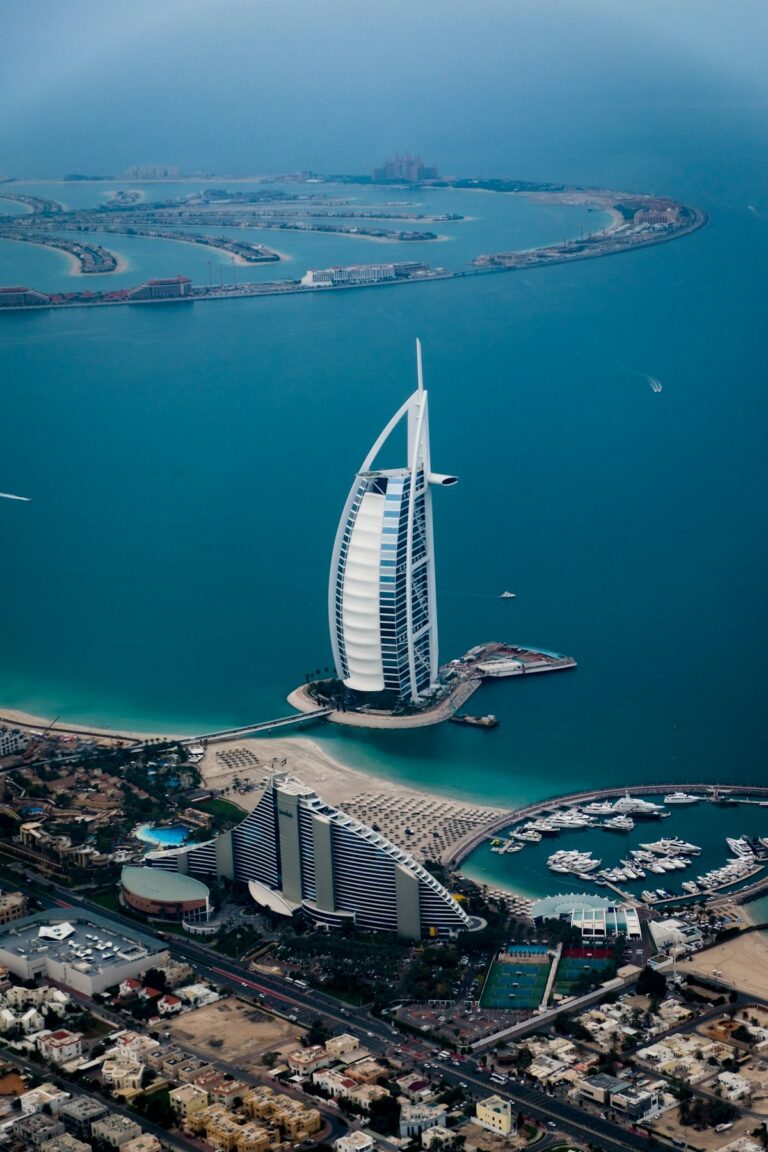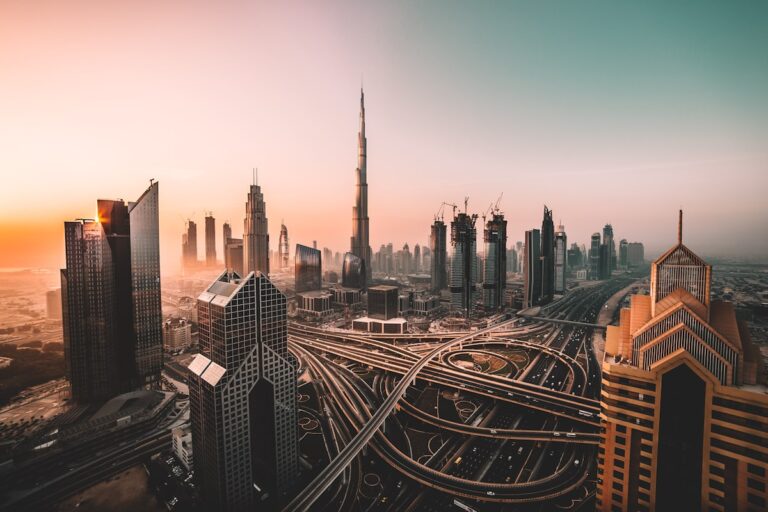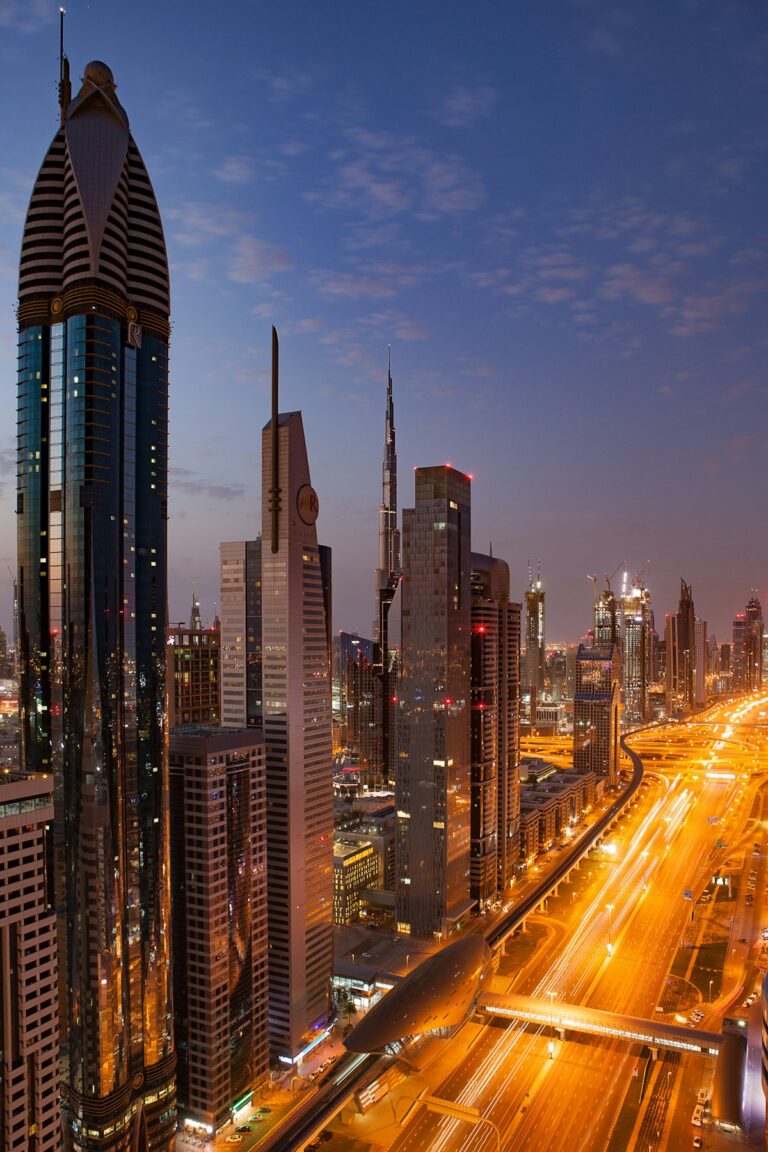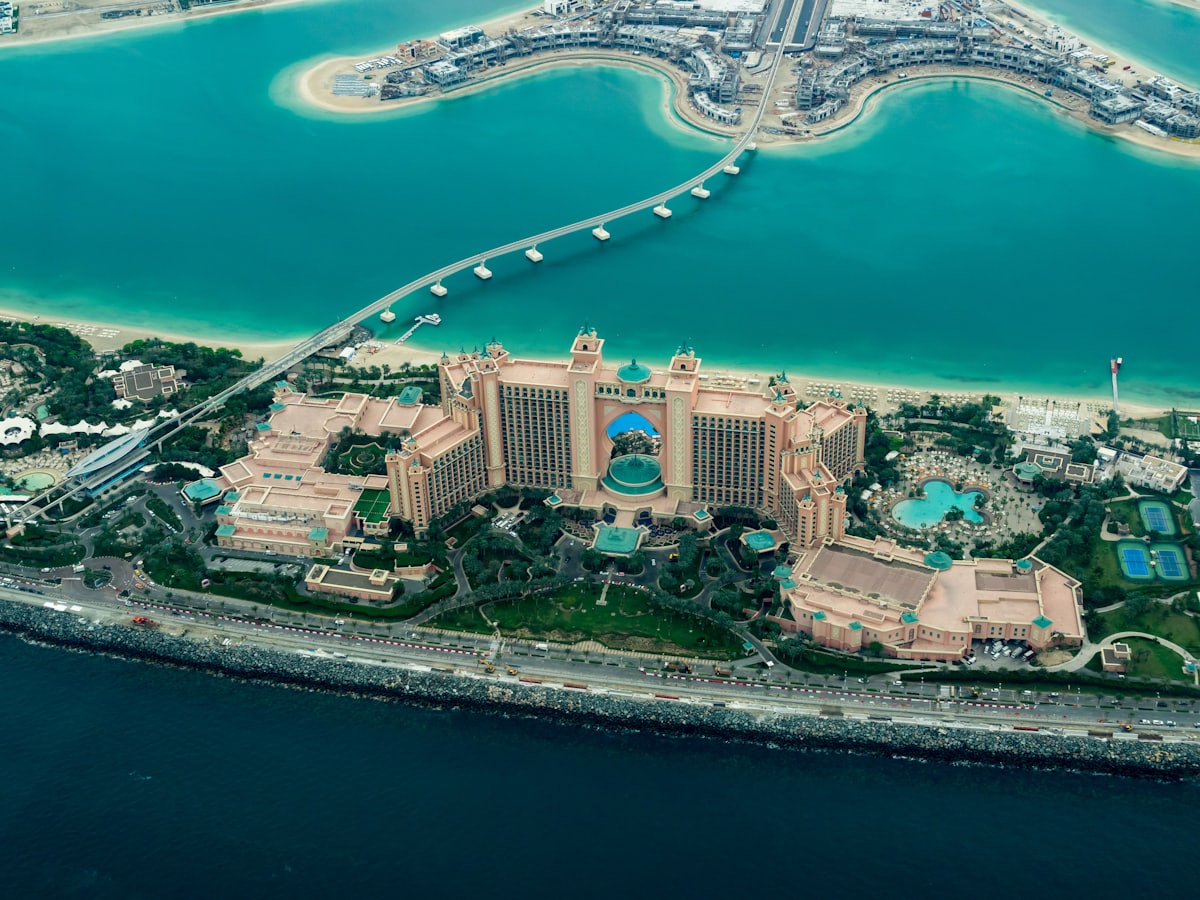
Dubai spent 2024 doing what it does best: turning ambition into infrastructure. Under the D33 economic agenda, the emirate is deliberately engineering itself into a top global digital-economy hub — and the momentum is visible on the ground.
What changed this year
Government services continued going digital-first, company formation kept getting faster, and the startup ecosystem — from fintech to AI — drew founders and funds from every continent. The talent pool deepened accordingly.
Why global businesses should care
A digital-first jurisdiction lowers the friction of operating remotely-managed teams: licensing, banking, and compliance increasingly happen online, in English, on predictable timelines.
The practical takeaways
- Regional operations can now be genuinely lean and remote-managed.
- Dubai-based partners plug you into the ecosystem without relocation.
- The direction of travel is more digital, not less — plan for it.
Zaynorix is part of this story: a Dubai-licensed company delivering global teams through digital-first operations. Read more about us — and here’s to what 2025 builds next.
In practice: riding the trend instead of admiring it
A bootstrapped analytics startup chose Dubai in early 2024 over two larger markets — a decision made on operating logic, not skyline photos. The logic held. Licensing for their digital activity took days, not months. Their first three clients came from the ecosystem’s density: one via a free-zone community event, one via a government-adjacent accelerator’s demo day, one referred by a bank’s SME programme. Talent assembled hybrid: two senior hires relocated on golden-visa pathways, while a managed remote pod handled support and marketing execution from nearby time zones — the exact structure the digital-first environment optimises for. By year-end they were selling automation into the very transformation wave around them, with government-sector pilots that would have taken years of procurement elsewhere. Their founder’s assessment: “The trend is real, but it pays operators, not observers.” The infrastructure is the invitation; execution is still the entry fee.
Your Dubai digital-economy checklist
- Establish the footprint while setup friction keeps falling.
- Pick your lane: sell into transformation, or build on the rails.
- Structure hybrid: lean local presence + managed remote delivery.
- Work the density: events, accelerators, ecosystem programmes weekly.
- Position offerings in efficiency-and-localisation language.
- Use the tools you sell — credibility compounds.
- Track sector momentum quarterly: fintech, logistics, applied AI.
- Bank the relationships early; the compounding is social first.
Dubai’s digital economy in 2024 stopped being a promise and became a operating environment — the advantage now goes to whoever builds in it soonest and executes most consistently.
Signals from 2024 worth reading twice
Beyond headlines, a few 2024 threads matter for operators. Talent gravity: golden-visa pathways and remote-work permits kept pulling senior professionals into the emirate, deepening the hiring pool for anyone building from here. Capital presence: regional venture activity remained concentrated in Dubai even through global funding winters, with fintech, logistics-tech, and AI applications drawing consistent attention. Institutional adoption: government entities didn’t just digitise forms — they became early customers of automation and AI, normalising procurement of digital services. Infrastructure kept compounding quietly: connectivity, cloud regions, and payment rails matured to invisible reliability. Each thread individually is incremental; together they describe a jurisdiction lowering the cost of building serious digital operations year after year.
Positioning your business inside the trend
Momentum only pays those positioned for it. Concrete moves: establish the Dubai footprint while setup friction keeps falling — licence categories for digital activities are broad and improving. Build your regional delivery capability as a hybrid — a lean local presence plus a managed remote team — the structure the digital-first environment is optimised for. Sell into the transformation: private and public organisations across the region are funded buyers of automation, data, marketing, and development capacity; position offerings in their language of efficiency and localisation. And compound your own operations with the same tools the ecosystem celebrates — the credible sellers of digital efficiency visibly run on it. The window isn’t closing, but early operators are banking the relationships.
Frequently asked questions
Which sectors are strongest in Dubai’s digital economy?
Fintech and payments, logistics and trade tech, property tech, tourism tech, and — accelerating fastest — applied AI services across every traditional industry. Enablers (marketing, development, data) sell into all of them.
Is competition in Dubai already saturated?
Crowded at the generic layer, open at the specific: vertical expertise, quality delivery, and regional nuance remain scarce. The market punishes commodity pitches and rewards demonstrated depth.
What’s the fastest way to test the market from abroad?
Run a 90-day probe with a Dubai-based pod — business development plus marketing localisation through a partner like Zaynorix — before committing to entity setup. Signal first, structure second.
What visa options exist for digital professionals in Dubai?
Several pathways matured through 2024: golden visas for qualifying talent and investors, remote-work permits for the employed-abroad, and standard employment visas under licensed companies. The direction of travel is consistently toward easier entry for skills.
Is Dubai a good base for serving clients outside the Gulf?
Exceptionally — the working day overlaps Europe, Africa, and Asia live, English is the business default, and connectivity is world-class. Many Dubai-licensed companies earn most revenue abroad; the emirate functions as the control tower.
The bottom line
Dubai’s digital economy in 2024 matured from promise into operating environment: strategy backed by procurement, infrastructure compounding quietly, talent and capital concentrating. The trend pays operators, not observers — the advantage goes to whoever establishes the footprint, works the ecosystem’s density, and executes consistently inside it.
Positioning moves that matter:
- Establish while setup friction keeps falling.
- Sell into the transformation or build on its rails.
- Structure hybrid: lean local presence, managed remote delivery.
- Bank relationships early; the compounding is social first.
Zaynorix is built for exactly this environment — a Dubai-licensed company delivering global digital teams into the region’s growth. Test the market with a 90-day pod: choose the functions, then let’s scope the probe.